How to Get Your First Brand Deal as a Small Creator
The most persistent myth in the creator economy is that you need a massive following before brands will work with you. It's not true. Brands are actively looking for small creators — and for good reason.
Micro and nano influencers consistently outperform larger accounts on engagement, conversion, and audience trust. A creator with 8,000 highly engaged followers in the fitness niche is genuinely more valuable to a supplement brand than a general lifestyle creator with 200,000 followers and 0.5% engagement.
Here's how to land your first brand deal as a small creator — and build from there.
What Brands Actually Look for in Small Creators
Before you reach out to a single brand, understand what they're evaluating. It's not just follower count.
Niche clarity — Brands want creators who own a clear space. A fitness creator. A personal finance creator. A tech reviewer. A home cooking creator. The more specific your niche, the easier it is for a brand to see exactly where they fit into your content.
Engagement rate — This is the most important number brands look at beyond follower count. If your posts get genuine comments and saves — not just likes — you have something valuable. A 5% engagement rate with 5,000 followers beats a 0.8% engagement rate with 50,000 every time.
Content consistency — Brands want to see that you post regularly and that your content quality is consistent. An account that posts twice a week with a clear aesthetic and consistent voice is far more attractive than one that posts sporadically with no through line.
Audience alignment — Your audience needs to match the brand's target customer. A skincare brand isn't going to pay a gaming creator regardless of follower count. Know your audience demographics and be ready to share them.
The Three Ways Small Creators Get Brand Deals
1. Inbound — brands come to you
This happens once your content is consistently good and you're searchable in your niche. Brands and agency scouts look for creators on Instagram, TikTok, and YouTube using hashtags, keywords, and creator marketplaces. The best thing you can do to attract inbound interest is to be findable — use relevant hashtags, keep your bio clear about what you create, and have a link to your rate card in your bio.
2. Creator marketplaces
Platforms like AspireIQ, Collabstr, and various brand-creator matching apps connect creators with brands looking for partnerships. These are especially useful for getting your first few deals because you don't need to pitch cold — brands come to the platform specifically looking for creators.
The downside is that rates on marketplaces tend to be lower than what you'd negotiate directly. Use them to get started and build your portfolio, then move toward direct outreach as your confidence grows.
3. Outbound — you pitch brands directly
This is the highest-leverage approach and the one most small creators avoid because it feels uncomfortable. It shouldn't. Reaching out to a brand whose products you genuinely use and love is not desperation — it's smart business.
How to Pitch a Brand Directly (Step by Step)
Step 1: Find the right contact
Don't DM the brand's main Instagram account. Find the actual person responsible for influencer partnerships or marketing. LinkedIn is the best place for this — search for the brand name and look for titles like "Influencer Marketing Manager", "Partnerships Manager", or "Social Media Manager". Get their email if you can. Most companies use a standard format like firstname@companyname.com.
Step 2: Write a personalised pitch
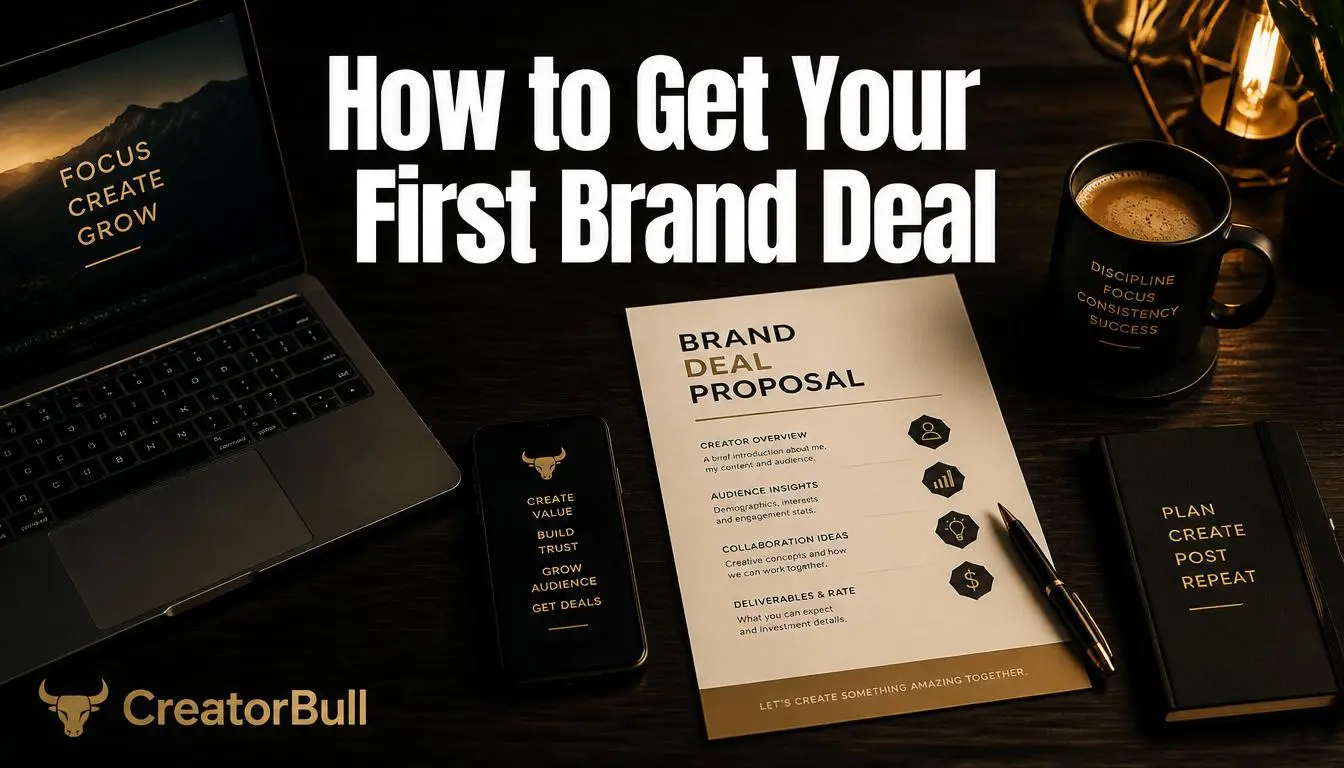
Generic pitches get ignored. Your pitch needs to show that you actually know the brand and have thought about how you'd work together. Here's a structure that works:
— Start with a genuine, specific compliment about their product or a recent campaign
— Introduce yourself in two sentences — who you are, what you create, why you're relevant to their audience
— Make a specific content proposal — not "I'd love to work with you" but "I'd love to create a Reel reviewing your new [product] for my fitness audience, specifically highlighting [specific feature] that aligns with what I talk about on my channel"
— Include your key stats — follower count, engagement rate, average reach
— Attach your rate card or include a link to it
— Keep the whole email under 200 words
Step 3: Follow up once
If you don't hear back in 5-7 days, send one follow-up. Keep it short — "Just wanted to make sure this didn't get lost in your inbox. Happy to jump on a quick call if easier." If there's still no response after that, move on. Don't send multiple follow-ups to the same contact.
What to Do When You Get a Yes
When a brand responds positively, the next steps matter as much as the pitch.
Get everything in writing. Before you create any content, make sure the brief, deliverables, timeline, usage rights, and payment terms are documented. This can be a formal contract or even just a detailed email confirmation — but there needs to be a written record.
Send a proper invoice. Once you've delivered the content, invoice the brand promptly. Include the deliverables, the amount, and a payment due date. CreatorBull's invoice generator makes this a 60-second job — and ensures you look professional from the first payment request.
Track the deal. Add it to a brand deal tracker so you never lose track of where it stands — whether it's in negotiation, waiting on content approval, or pending payment. As your deal volume grows, this becomes essential.
How to Turn Your First Deal Into Ongoing Business
The best brand deal is a repeat brand deal. Once you've delivered great work for a brand, the relationship is yours to develop.
Over-deliver on the first campaign. Be easy to work with. Post on time. Report results back to the brand unprompted. Most creators don't do this last part — sending a brand a screenshot of your Reel's performance stats a week after posting sets you apart immediately and makes the conversation about a follow-up campaign much easier to start.
After the campaign wraps, check in a month or two later. Share relevant content you've posted. Ask if they have upcoming campaigns. Staying top of mind with brands you've already worked with is far easier than constantly finding new ones.
Start Building Your Creator Business Today
Landing your first brand deal is about showing brands that you're a professional — someone who communicates clearly, delivers on time, and makes their job easy. The tools you use signal that professionalism before you've said a word.
A proper rate card. A clean invoice. A deal tracker that means nothing falls through the cracks. CreatorBull gives you all of this free — built specifically for creators who are serious about their business.
Free tool
Build your rate card in 3 minutes
Show brands your rates, past collabs, and social links — all in one shareable link.
Create yours free →Share this post